
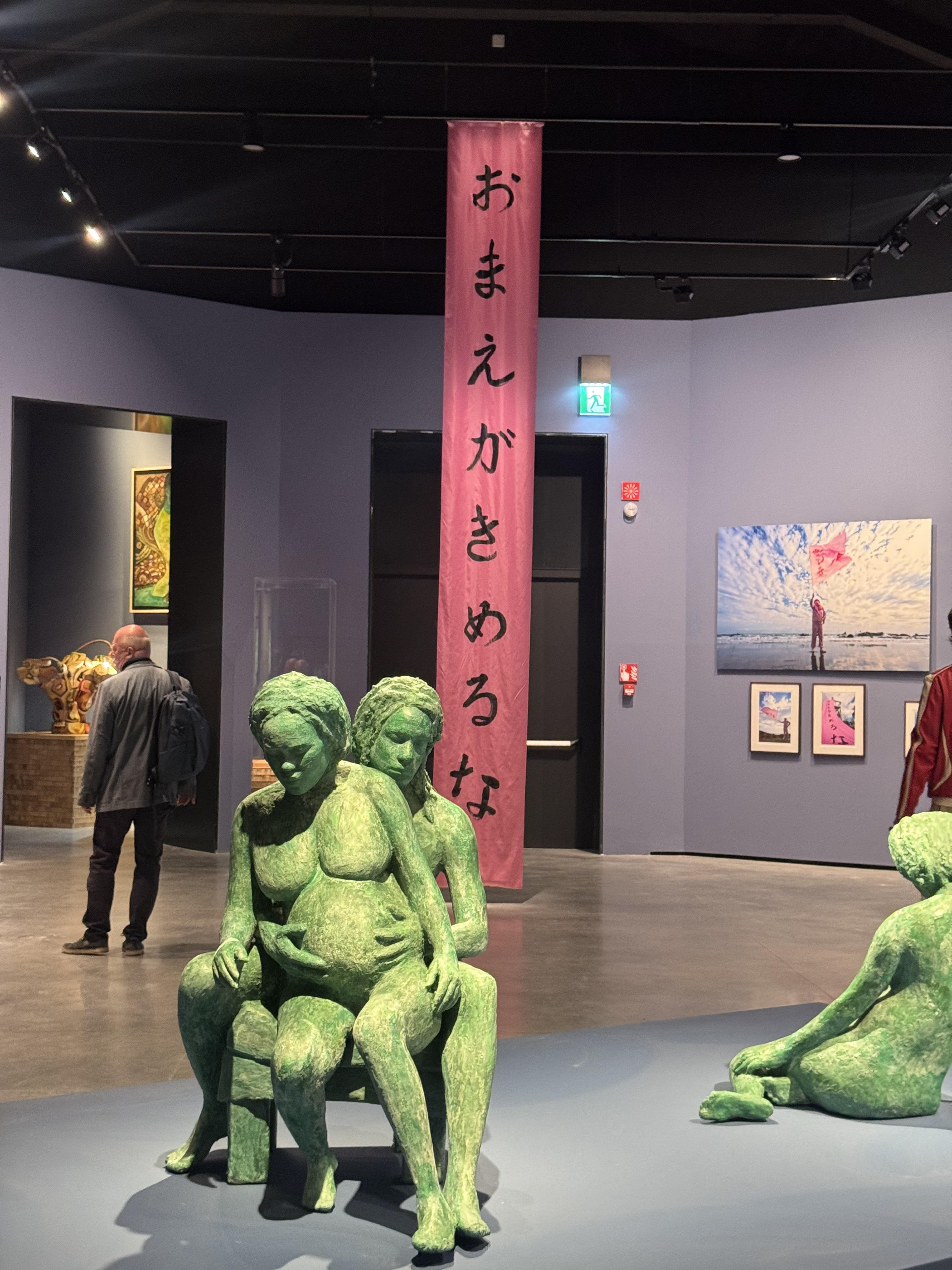
Venice has always felt like a city performing for itself. Imagine Nairobi deciding roads are overrated and replacing every matatu with boats driven by men who look like they smoke expensive cigarettes and carry generational trauma. That is Venice. A floating city where water taxis glide past ancient buildings, tourists get lost every seven minutes and everyone somehow looks both fashionable and exhausted at the same time.
Every two years this already dramatic city hosts the Venice Biennale, the Olympics of the art world. A place where countries flex through art, curators speak in riddles and someone somewhere is emotionally processing an art under gallery lighting.
This year felt heavier though. More emotional. More political. More haunted.
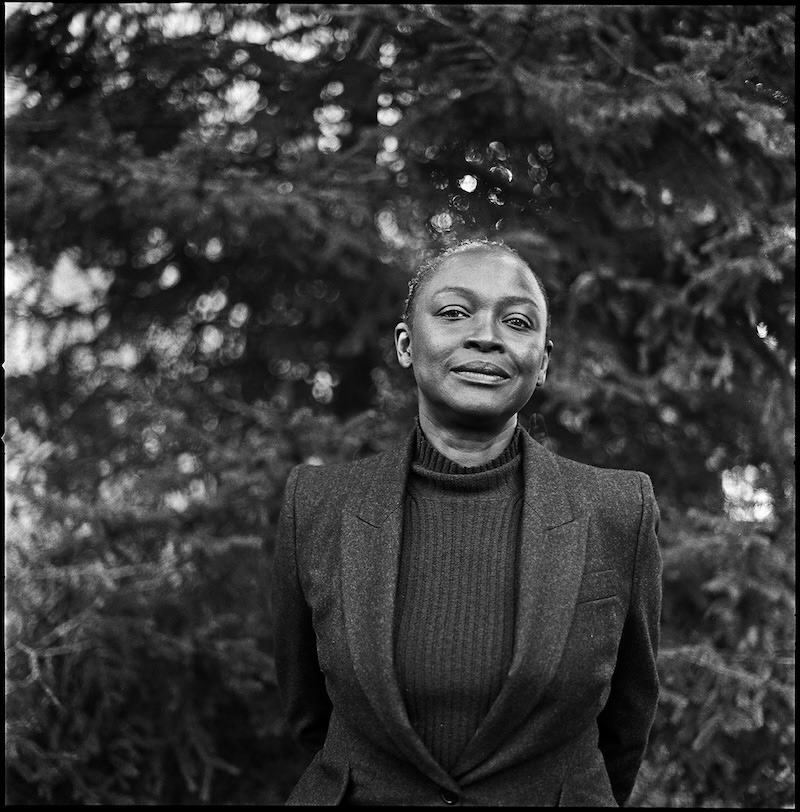
Image by Biennial Foundation
The 2026 Biennale was curated by Koyo Kouoh, the first African woman ever appointed artistic director of the Biennale. That alone was monumental. Koyo was not just a curator. She was one of the people who fundamentally shifted how African contemporary art was viewed globally. Through her work at Zeitz MOCAA and across countless exhibitions and cultural spaces, she made room for African artists to exist outside the tired expectations of poverty porn, tribal aesthetics and exoticism. She pushed for nuance, complexity and emotional honesty.
Sadly, Koyo passed away before she could fully witness her Biennale come alive. Yet her spirit sat everywhere across Venice. In the silence of certain installations and in the tenderness of the works she selected. In the emotional frequencies that ran through the exhibitions. Her theme, In Minor Keys, focused on quieter stories, emotional depth and softer gestures instead of spectacle for spectacle’s sake. It asked audiences to slow down and actually listen. Which is difficult because art crowds love pretending they understand things quickly.
The Biennale hosted over 80 countries and 111 artists spread across Venice’s pavilions, churches, warehouses and in alleyways, because this is the art world where controversy arrived almost immediately.
The biggest tension sat around the Israeli pavilion and the ongoing genocide in Gaza. Protests erupted throughout Venice as artists, curators and activists questioned whether institutions can claim neutrality while people are dying in real time. Demonstrations spilled into the canals, banners appeared outside pavilions and artists publicly challenged the politics of participation and silence. Beneath the champagne glasses, curated lighting and expensive linen outfits was genuine anger and grief. Venice stopped feeling like just an exhibition and started feeling like a site of resistance.
One of the most haunting moments came from absence itself.
The South African pavilion stood empty after the withdrawal of Gabrielle Goliath’s Elegy, a work tied to mourning and Palestinian grief. In a Biennale overflowing with giant projections, immersive soundscapes and sensory overload, that emptiness became deafening. Visitors walked into silence and suddenly confronted the weight of what was missing. It became one of the loudest statements in Venice without saying anything at all.
However, beyond politics, the Biennale remained gloriously absurd.
Singapore presented a philosophical video installation about poop. Yes. Human waste. But not in a disgusting way. In a deeply reflective “what does society consume and discard” kind of way. Waste became memory. Digestion became capitalism. Toilets became metaphors for modern existence. Somewhere in Venice a man dressed entirely in black stood before projected feces whispering “brilliant” while holding natural wine and honestly? He was not entirely wrong.
That is the magic of the Biennale. One moment you are processing colonialism, displacement and genocide. The next you are in a dark room emotionally contemplating bowel movements and ecological grief.
Art is ridiculous.
Art is exhausting.
Art is necessary.
And somewhere within all this chaos, Kenyan artists stood confidently inside the conversation.
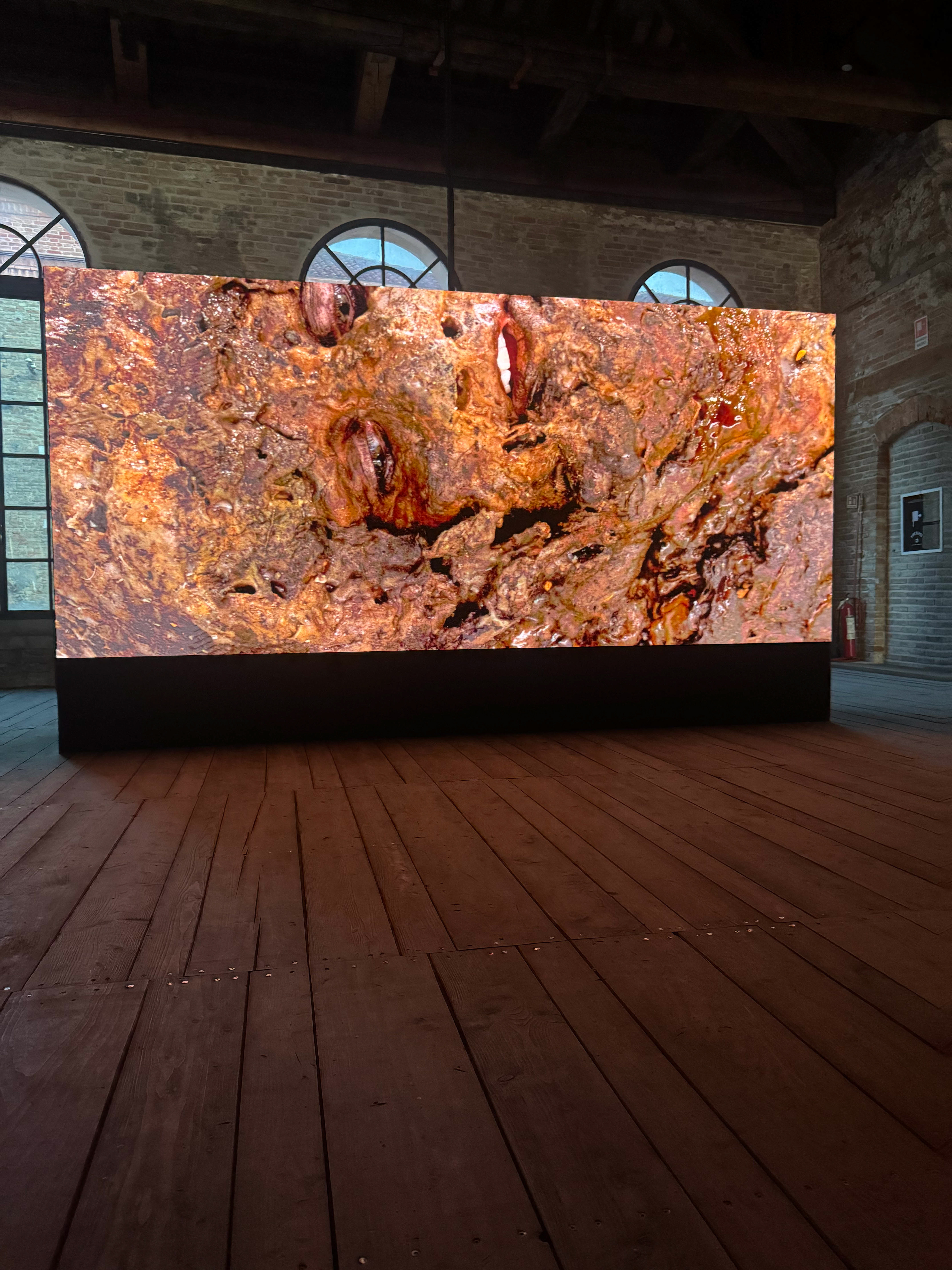
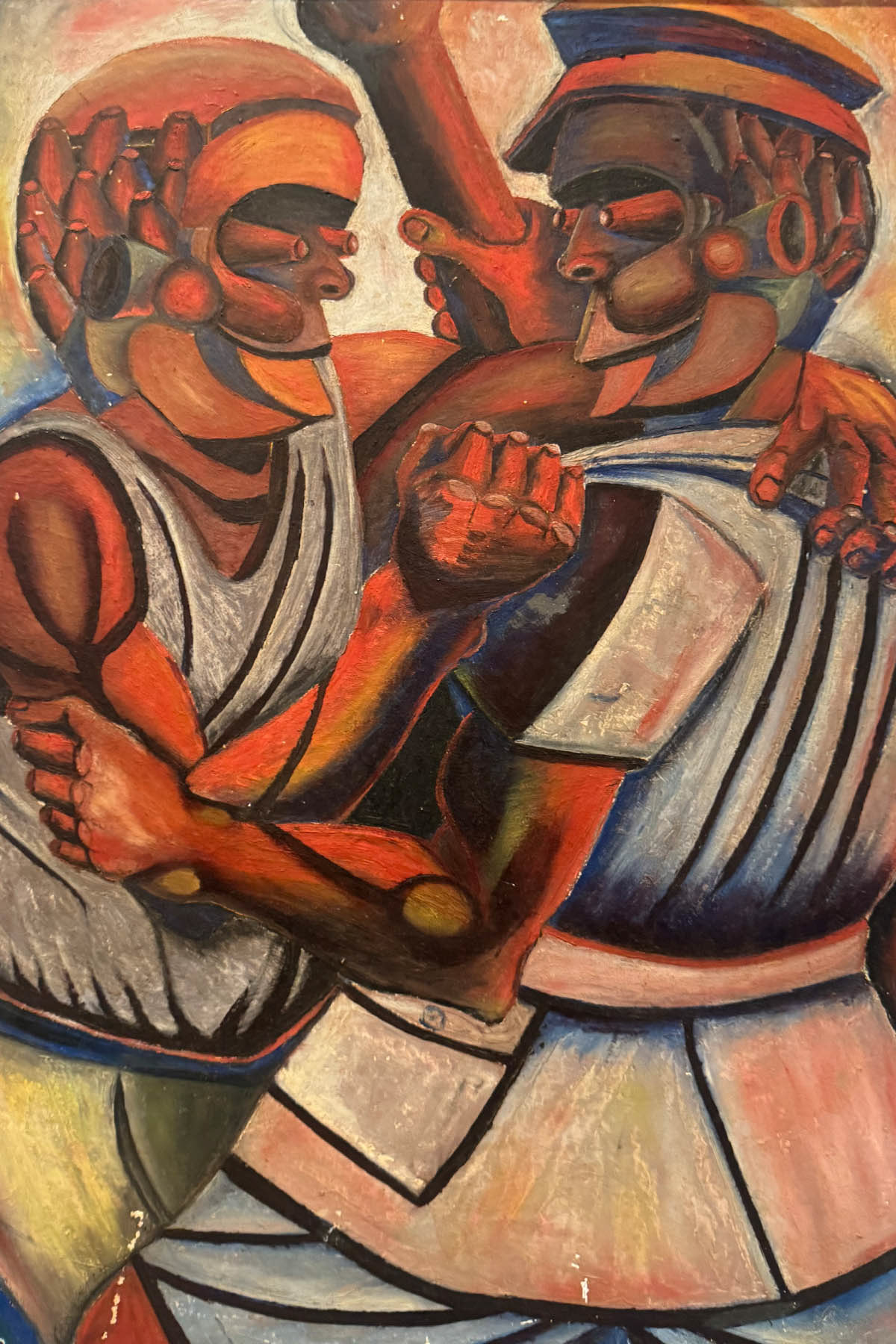
Artists like Wangechi Mutu and Kaloki Nyamai did not simply “represent Kenya.” They represented the evolution of Kenyan contemporary art itself. Their works sat comfortably among some of the strongest presentations at the Biennale, proving that East African storytelling is layered, political, spiritual and globally relevant without needing Western validation to feel important.
Wangechi Mutu’s work remained haunting as always. Her sculptures and installations transformed femininity into mythology and resistance. Her worlds feel ancient and futuristic simultaneously, as though womanhood itself is mutating into something unstoppable. Meanwhile Kaloki Nyamai’s massive textured works carried the emotional weight of ancestry, land and memory. His use of Kikuyu cosmology, symbols and earth pigments made his pieces feel less like paintings and more like inherited spiritual archives.
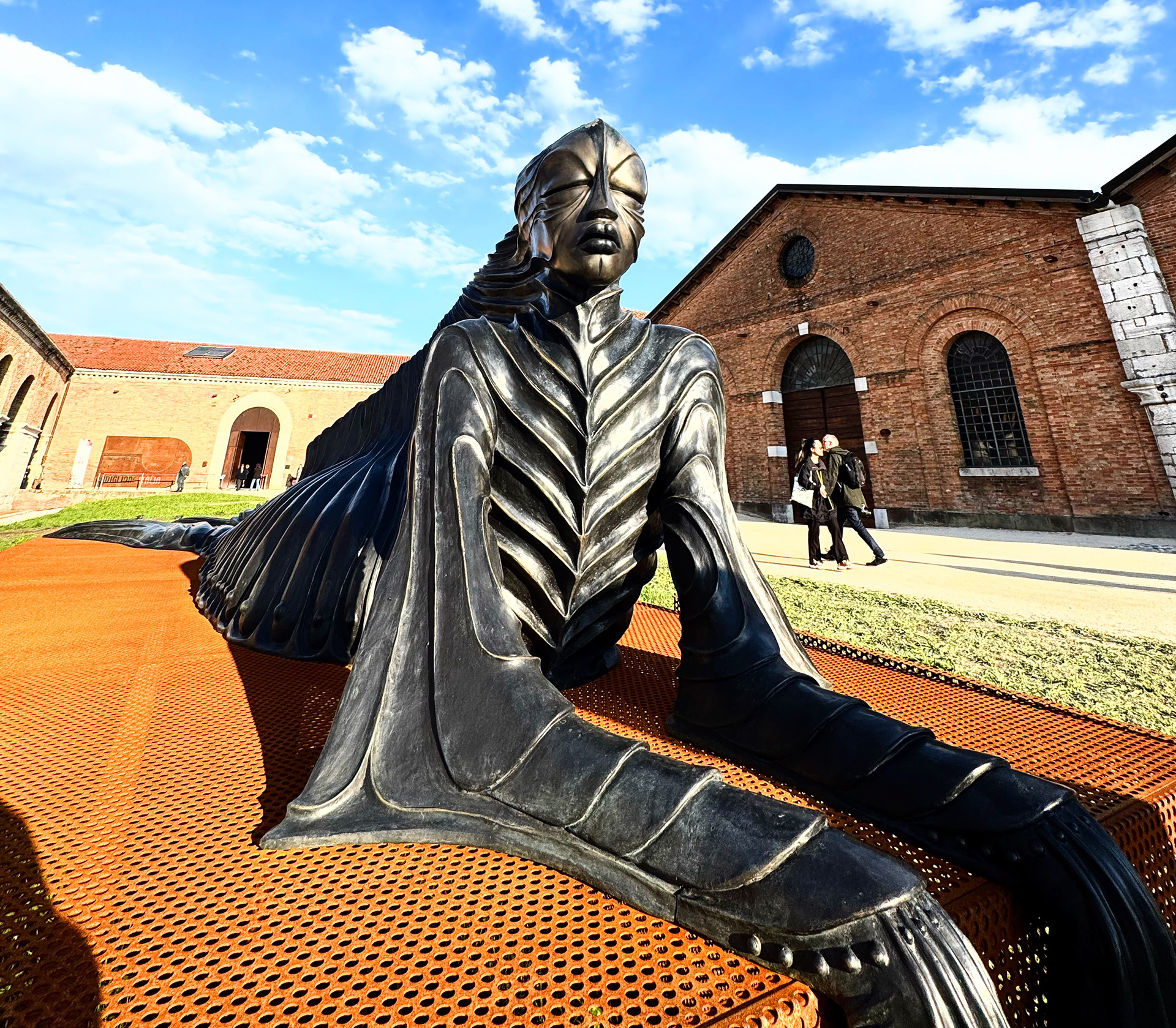
Sculpture by Wangechi Mutu
Alongside them, the growing visibility of the Nairobi Contemporary Art Institute quietly signaled something important. Nairobi is no longer just producing artists. It is building institutions, archives and ecosystems around contemporary African art. For years Kenyan creatives have survived largely through improvisation, resilience and vibes. Spaces like NCAI represent the infrastructure needed for Kenyan art to continue growing on its own terms.
And then there were the two spaces hosting the heart of the Biennale itself, the Giardini and the Arsenale.
The Giardini feels like old money. Beautiful permanent national pavilions built during eras when Europe dominated global cultural conversations. Walking through it feels like speed dating geopolitics. One minute you are listening to ambient glacier sounds in a Nordic pavilion, the next Austria is emotionally assaulting you with naked performers and performance art involving bodily fluids.
The Giardini carries a visible hierarchy. You can physically feel the colonial architecture of power in its layout. The major Western countries sit comfortably in prime locations while newer countries scatter across temporary spaces elsewhere in Venice. Even beauty carries politics there.
Arsenale felt alive.
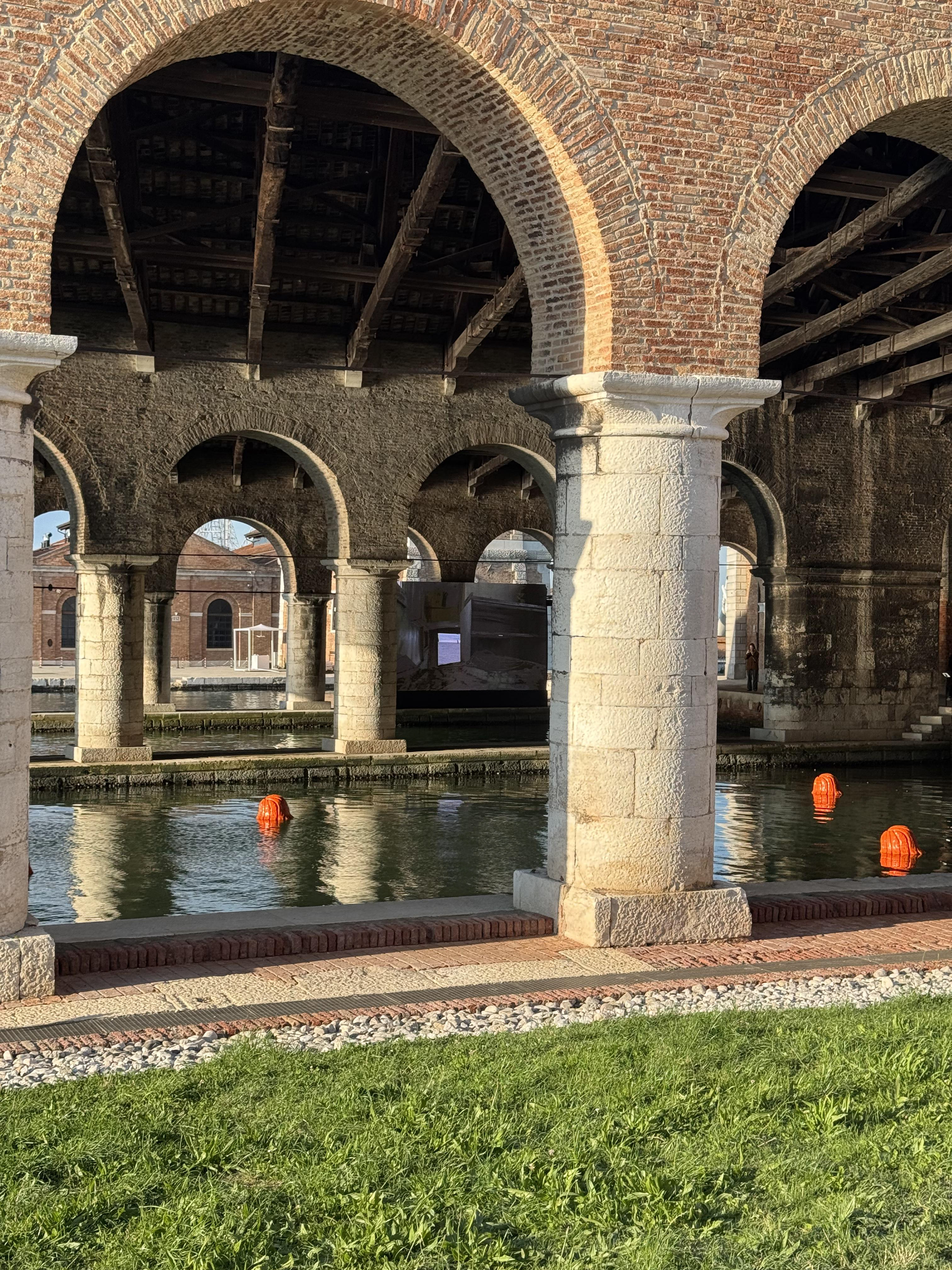
Originally Venice’s military shipyard, the Arsenale is a giant industrial maze of brick warehouses stretching endlessly along the water. Walking through it feels cinematic, like entering an abandoned futuristic factory accidentally filled with contemporary art instead of war machinery.
Unlike the polished nationalism of the Giardini, the Arsenale feels messier and more emotional. Installations breathe differently there. Artists go completely mad with scale, sound and immersion. Visitors slow down more. Sit longer. Stare harder. It becomes less about being seen and more about actually experiencing something.
Meanwhile in the Giardini everyone looked hyper aware of themselves. Fashion became performance art. Curators looked stressed and expensive simultaneously. Instagram influencers posed dramatically beside centuries of colonial history pretending they accidentally discovered conceptual art.
By the end of the Biennale your feet hurt, your brain feels overstimulated, you have consumed dangerous amounts of espresso and somehow developed strong opinions about conceptual sound installations.